
Two of the biggest names in the restaurant industry reported earnings at the end of October. Their results tell two very different stories about the same line on the P&L.
The numbers, side by side
Chili’s had another strong quarter. Same-store sales rose 10 percent from a year earlier and are up 52 percent over three years. Most of that growth came from more guests coming in, not higher prices. Traffic is up 28 percent over three years, and the average restaurant now does about $5 million a year in sales.
Leadership summed up its approach in three words: leaning into labor. Wage rates rose about 2.6 percent. Because sales and productivity grew faster, margins held roughly steady.
Chipotle reported same-store sales up 2.1 percent for its third quarter. Labor rose to 25.7 percent of revenue, up from 25.2 percent a year earlier. Restaurant-level margin slipped to 23.3 percent from 24.5 percent. The company pointed to higher wages, performance bonuses, extra labor to support execution and promotions, and higher insurance costs.
Both companies are spending more on labor. The difference is what that spending is buying.
What “leaning into labor” looks like on the floor
Chili’s didn’t just add hours. It put people where guests feel them most:
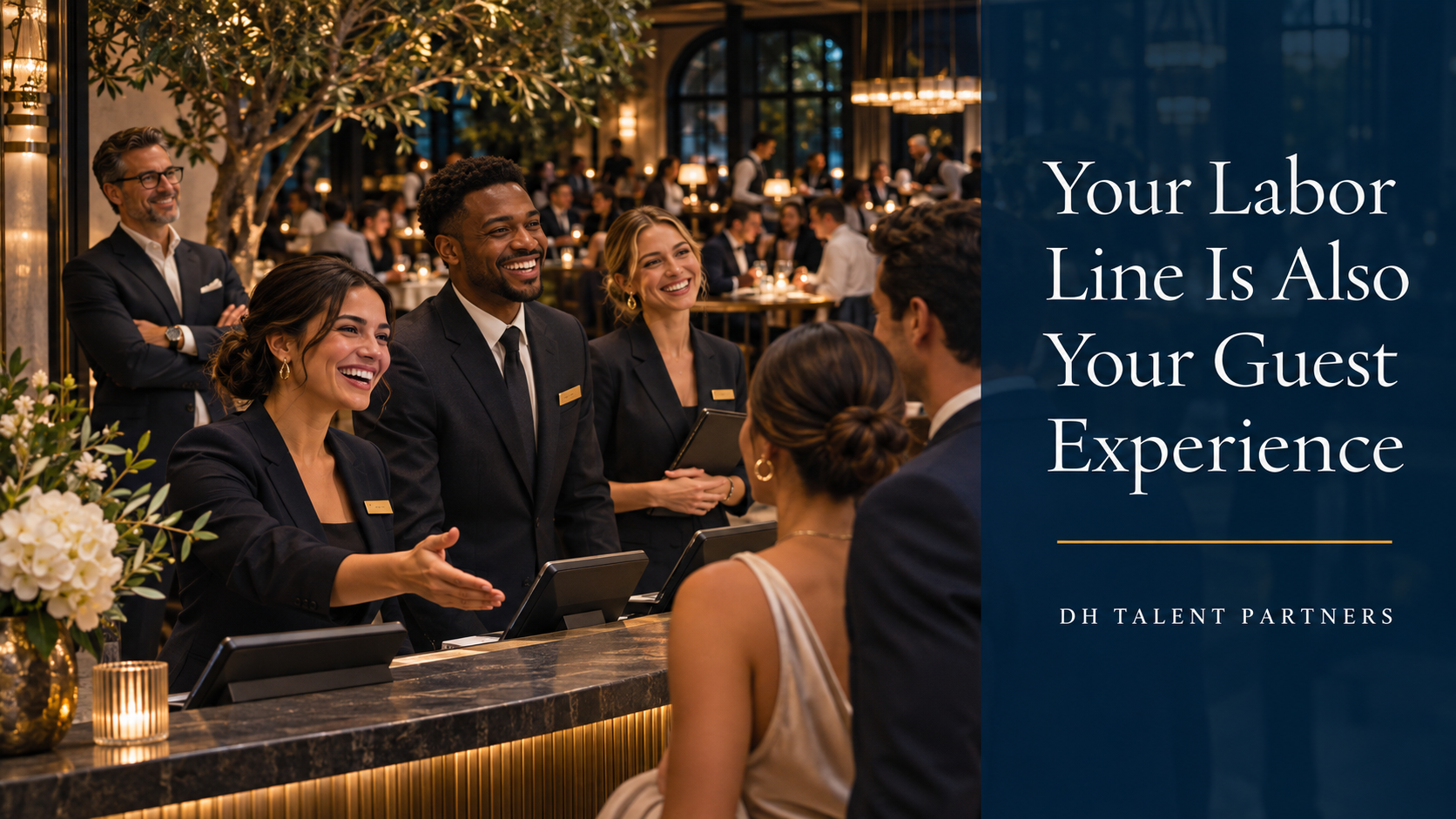
- The host stand. Busy locations now staff it with three or four people, split into distinct roles: a leader, a greeter and a seater. The company brought back hiring standards for the position and retrained staff on the host stand tablets.
- Managers on the floor. Managers now take a more active role, including seating large parties themselves.
- Scheduling. Brinker, the company that owns Chili’s, retrained every leader above the restaurant level on how to write a labor schedule. It is also rolling out the labor practices of its highest-volume restaurants across the whole system.
- Tools that help the team. Handheld ordering devices for servers cut more than half the steps it takes to put in an order at the table.
Why cutting hours often costs more than it saves
When margins get tight, cutting hours is the easiest lever to pull. Every operator has done it.
The problem is that guests feel it before it ever shows up on the P&L. The wait at the door gets longer. Tables sit dirty. Food dies in the window. A server with one too many tables stops checking back. None of that shows up on the weekly labor report, but it shows up in traffic a few months later.
Chili’s is a reminder that the right people in the right positions can pay for themselves. Labor spend isn’t only a cost. It’s part of the product.
Scheduling is a leadership skill
The most important detail in the Chili’s story may be the least exciting one: retraining leaders on how to write a schedule.
A good schedule puts your strongest people on your busiest shifts. It staffs to the guest count you’ll actually have, not the one you had last year. It builds in coverage for the host stand and the pass, where small gaps turn into bad nights. A weak schedule wastes hours on slow shifts and runs short when it matters.
That skill lives with your GM. So when you hire a GM, test for it. Hand a candidate last month’s sales by daypart and ask them to build next week’s schedule, then walk you through their thinking. You’ll learn more in 30 minutes than in an hour of interview questions.
Where technology helps, and where it doesn’t
Chili’s handhelds work because they give servers time back to spend with guests. That’s the test for any new tool. Does it make the team better at hospitality, or does it just take someone off the schedule?
Technology that removes steps is worth the investment. Technology that removes people from the guest experience usually costs you in ways you won’t see right away.
A quick checklist heading into a tight first quarter
- Look at labor by position and daypart, not just as a total percentage.
- Protect staffing at the door and the pass before you cut anywhere else.
- Review your GMs’ schedules against actual guest counts for the last four weeks.
- Ask your managers where one more person would make the biggest difference.
- Make scheduling a skill you train for and hire for.
Need GMs and kitchen leaders who know how to run a labor model and keep guests coming back? Talk to DH Talent Partners.